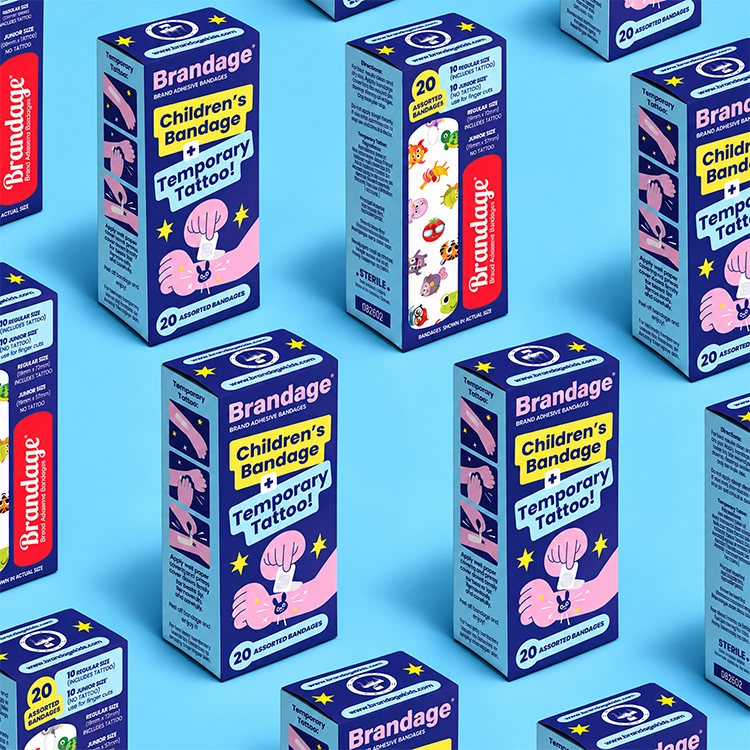
The packaging design process can be broken into eight steps: a brief, research, technical inputs such as the printer’s dieline and the required label copy, design concepts, revisions, the rest of the product line, prototypes and final checks, and print-ready files followed by proofs and printing. The design part, from […]
read more → 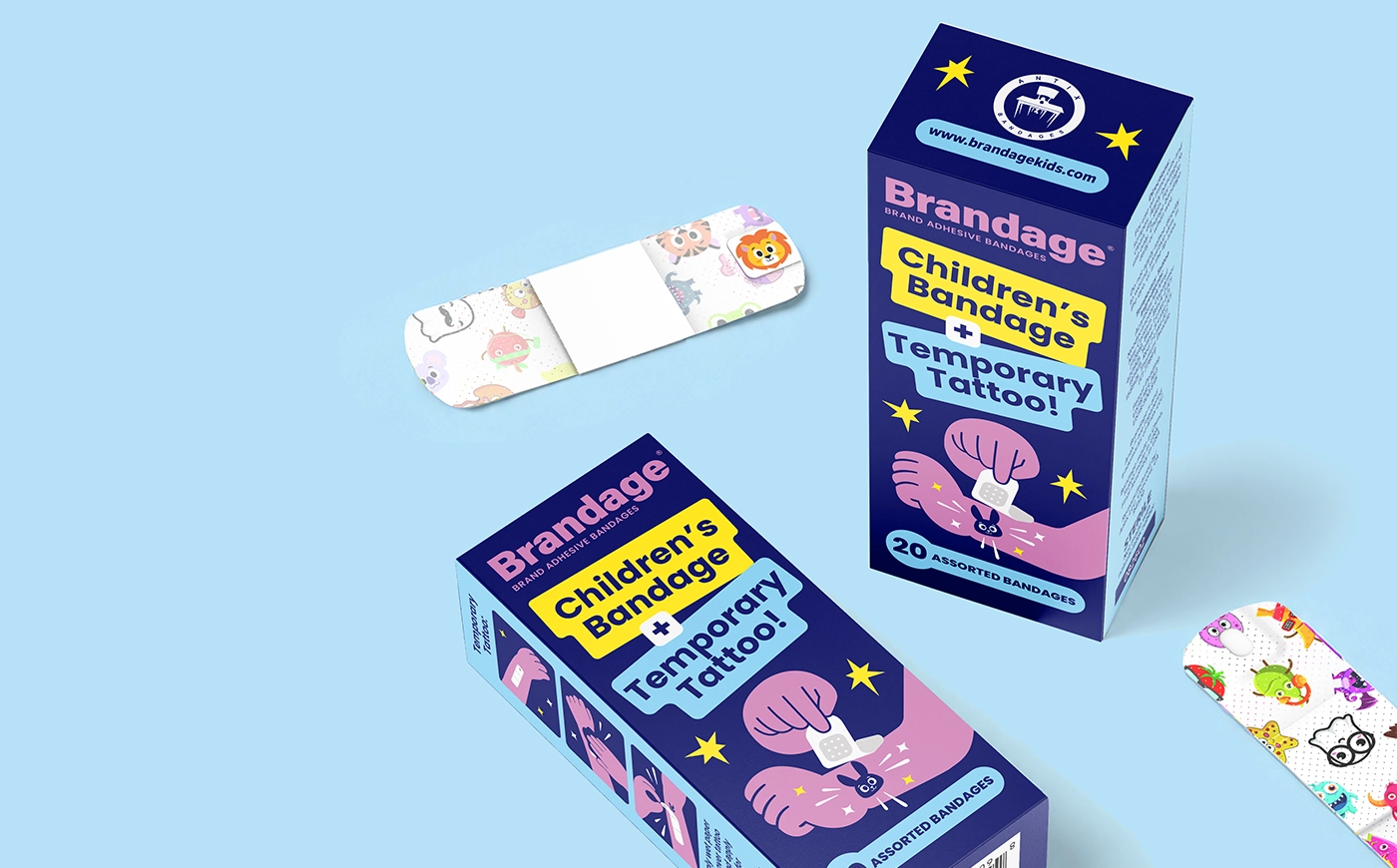
The packaging redesigns that work usually keep what shoppers use to find the brand and fix one clear problem. GoodPop kept its white box and gave the line one consistent brand color; sales rose 40% the following year. Malk made its varieties easier to tell apart and moved its strongest […]
read more → 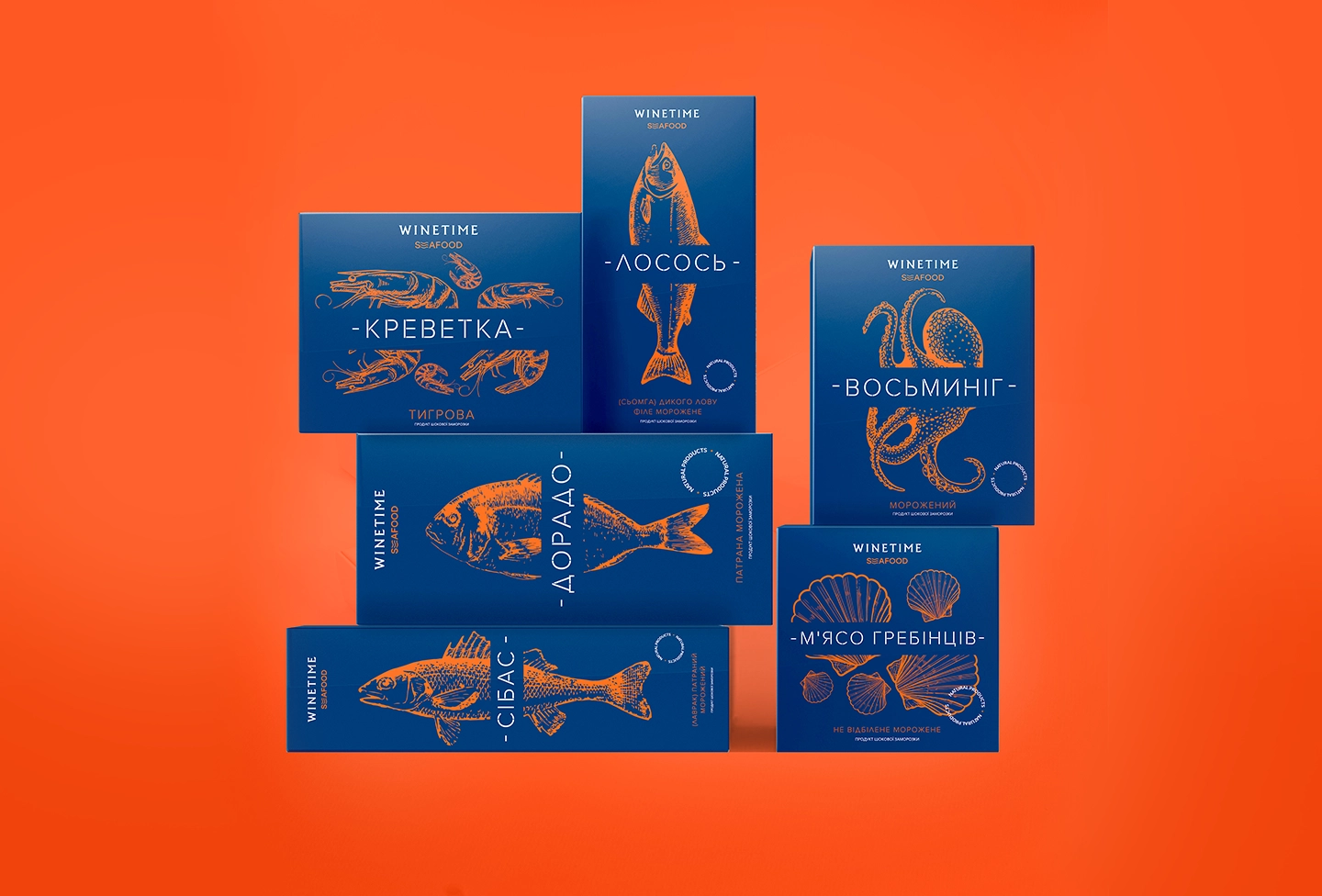
A line extension is a new version of a product you already sell, in the same category and under the same brand: a new flavor, size, format, or recipe. A brand extension takes your brand name into a different category, like a baking soda brand that starts selling toothpaste. The […]
read more → 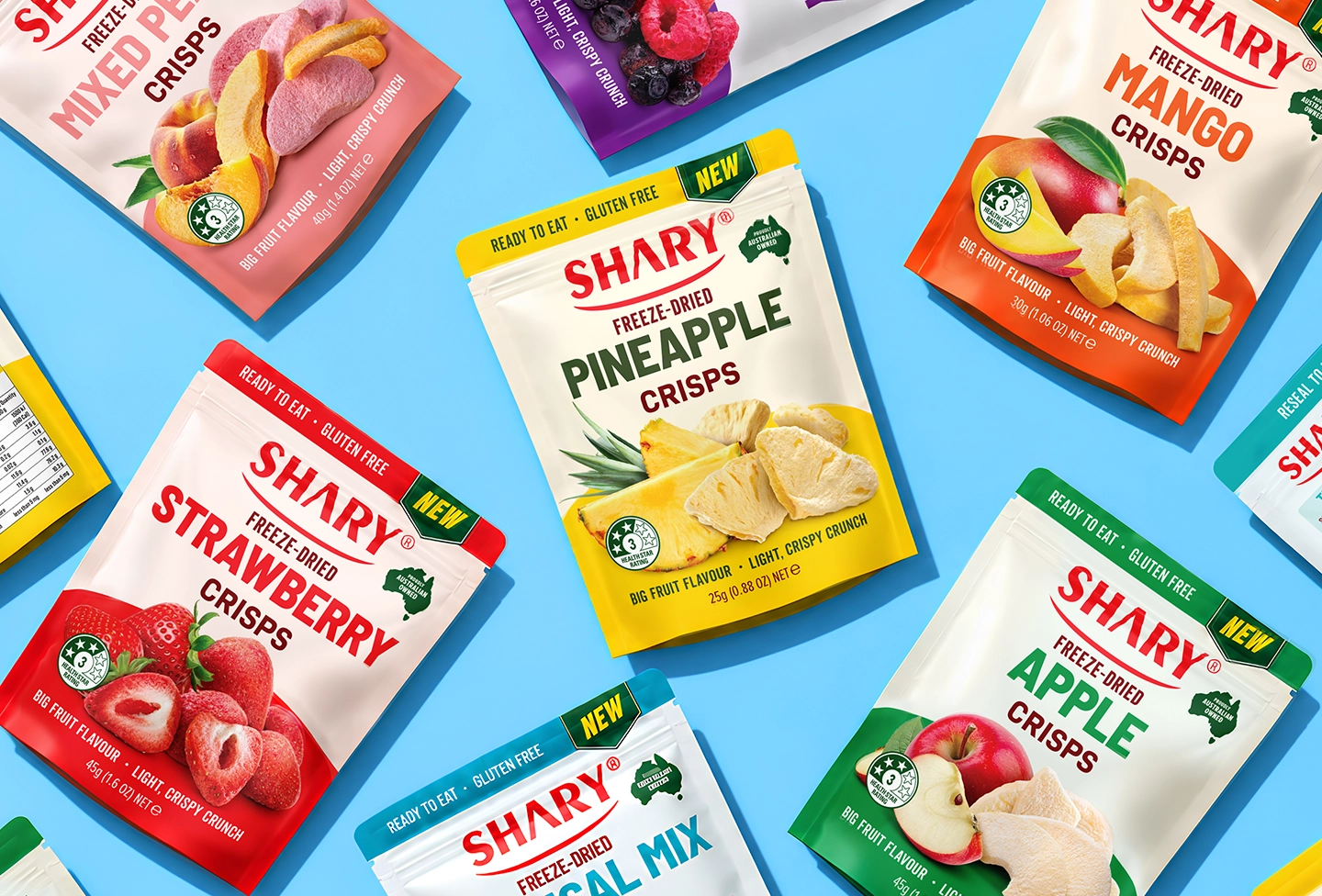
Packaging trends for 2027 come from two directions. On the shelf, brands are moving toward bold type, loud color or deliberate restraint, real illustration in place of stock and AI imagery, honest product photography, and smaller packs. Behind the shelf, a set of rules is changing what a package has […]
read more → 
A beverage label has to stand out in a cooler or on a shelf from a few feet away, survive condensation, ice, and handling without peeling or smearing, and carry the information the law requires for your type of drink. That last part depends on who regulates the product. Most […]
read more → 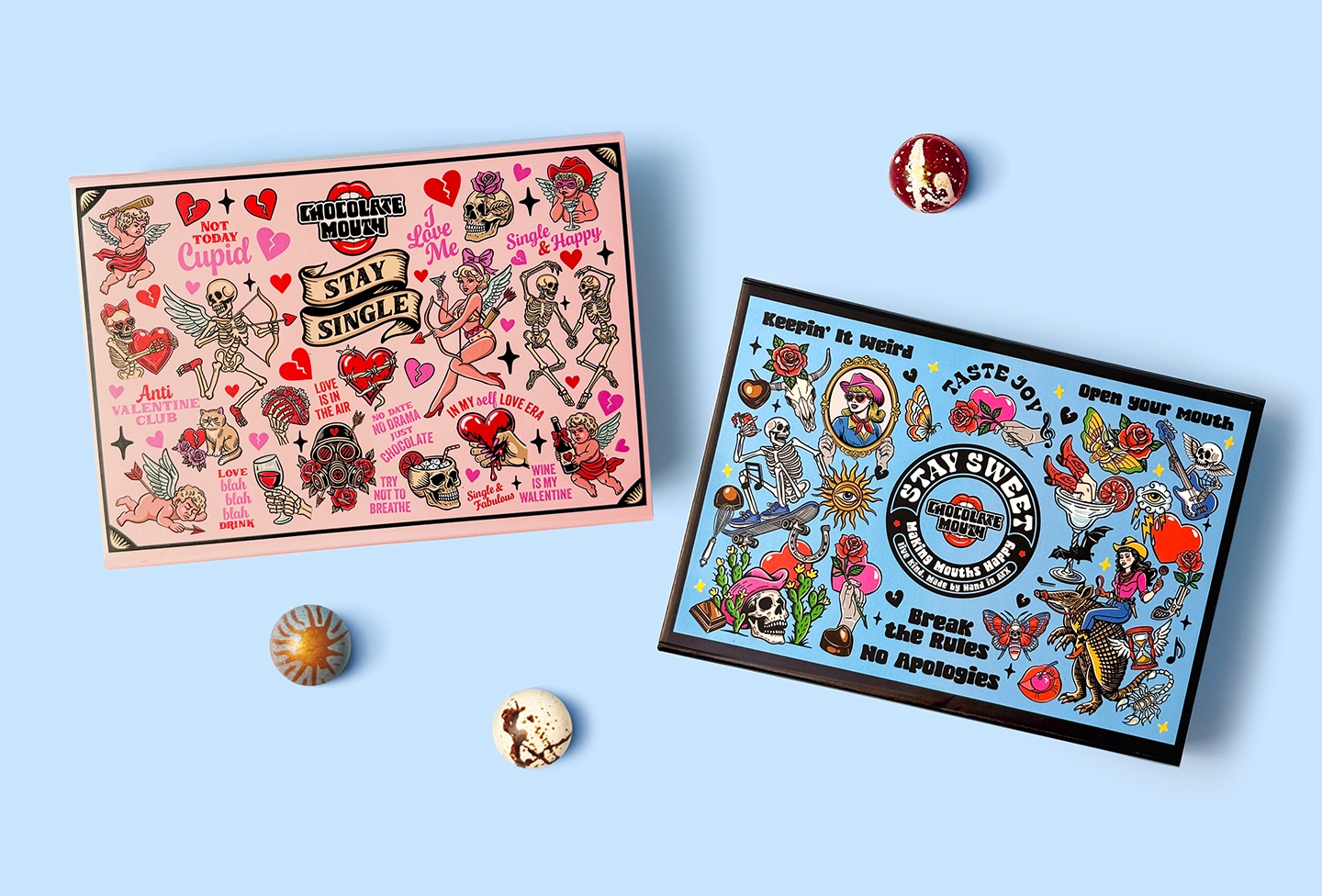
Candy is an impulse buy, so the package has about one glance to do its job. In that moment it has to show what kind of candy is inside (sour, chewy, fruity, crunchy), make the flavor obvious through color, and fit the place where candy actually sells: a checkout rack, […]
read more → 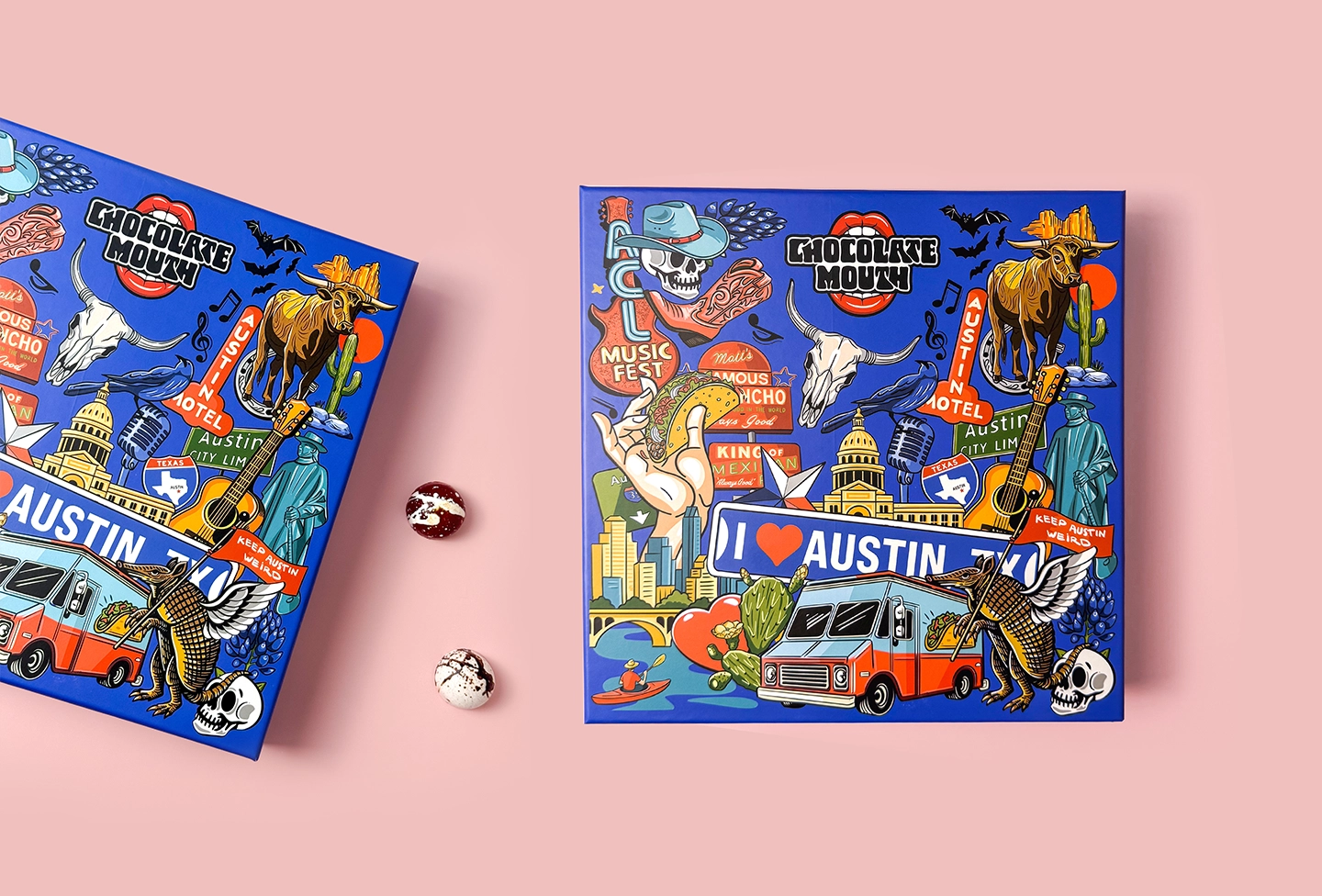
Good chocolate packaging protects a product that melts, picks up odors, and blooms when the temperature swings, and it tells shoppers what kind of chocolate they’re holding before they read a word. On a bar, the front usually needs the brand, the product name (such as “dark chocolate” or “milk […]
read more → 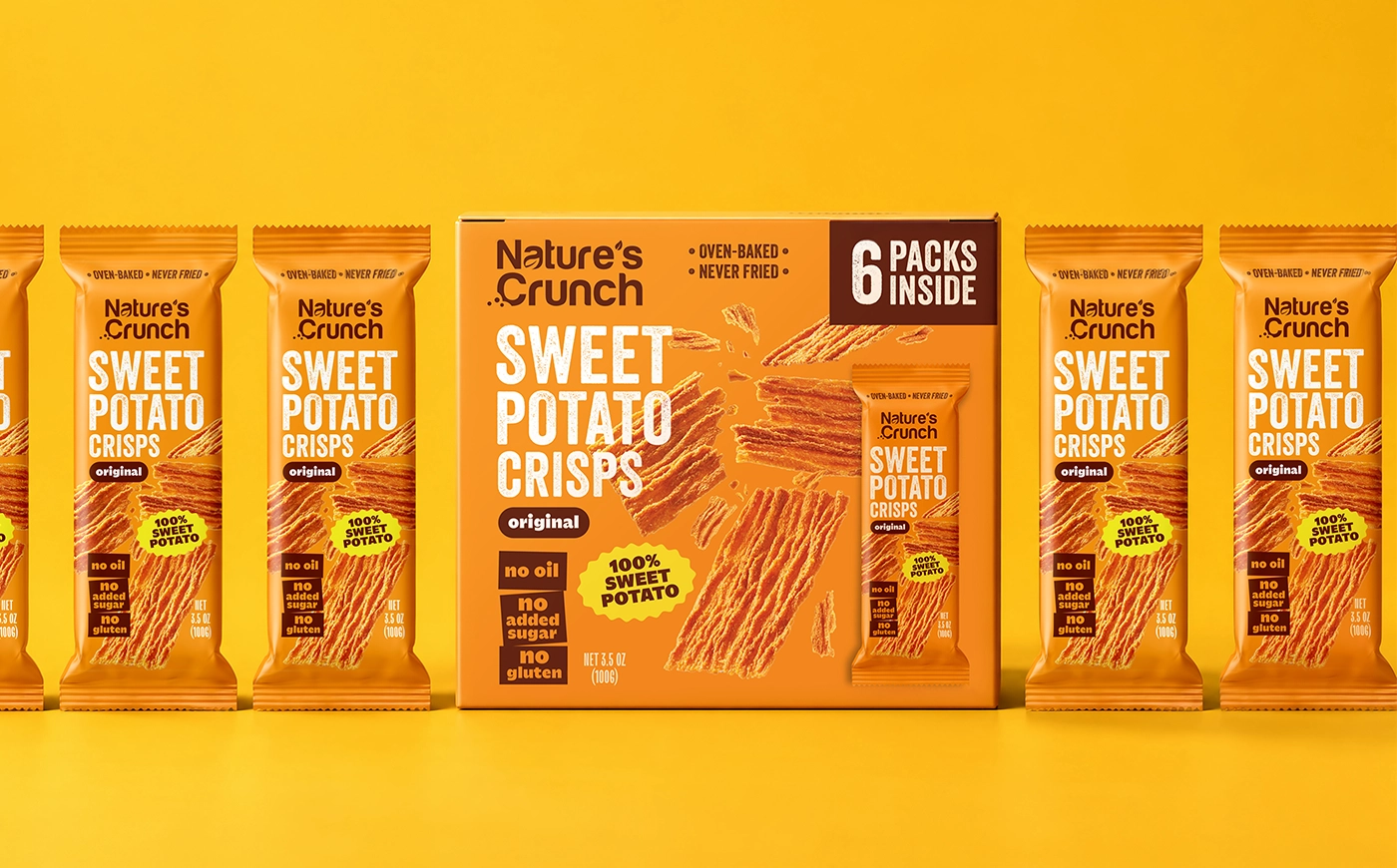
Snack packaging has to sell fast. Shoppers scan a wall of bags in a few seconds, often on impulse, so the front needs a strict order: the brand, the snack type, the flavor in a color you can spot from a distance, an appetizing image of the actual product, and […]
read more → 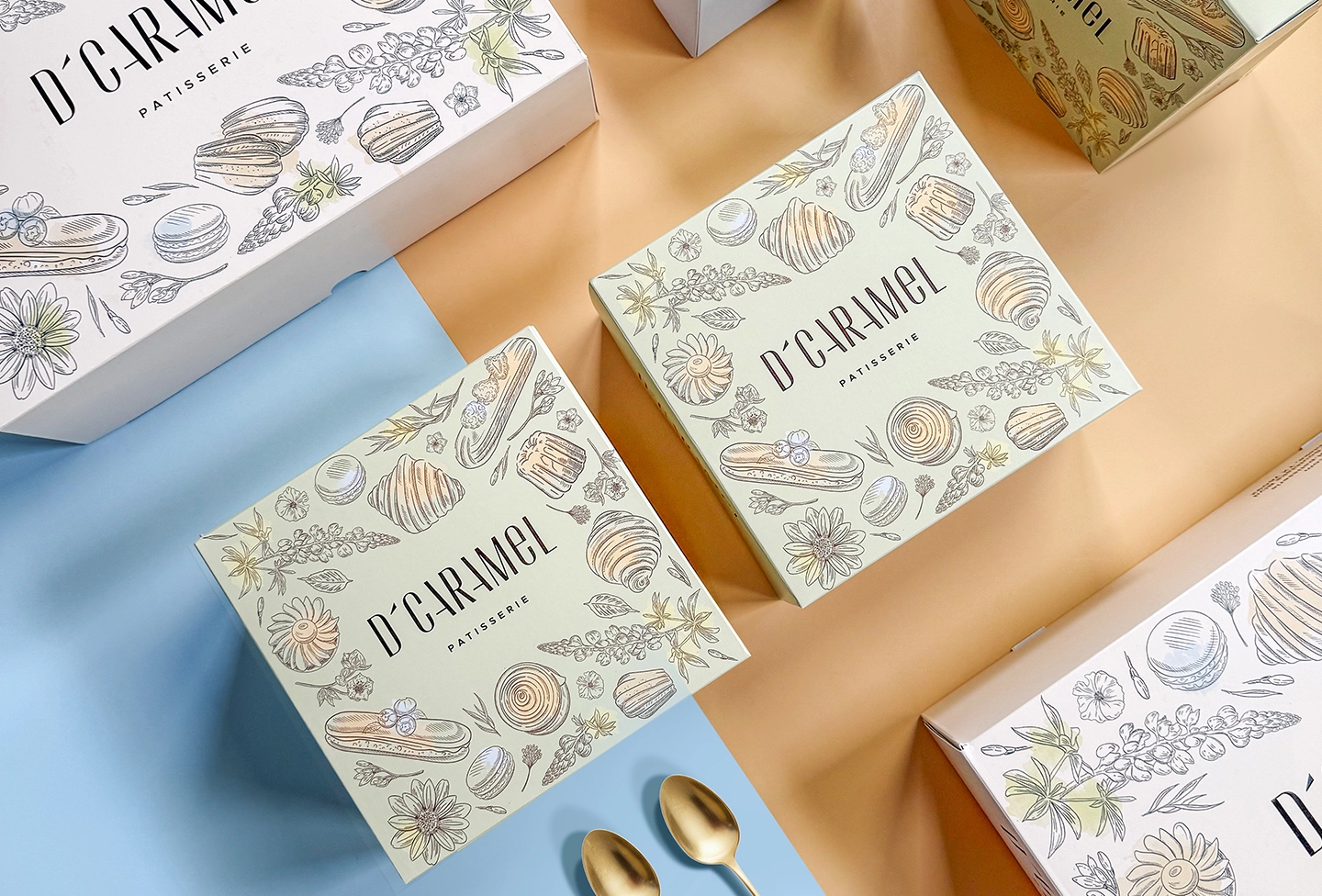
Bakery packaging has to protect the product, because baked goods leak grease, lose moisture, go stale, and crush easily. It has to show the product, since shoppers judge bread, cookies, and pastries by how they look, whether that’s through a window, in a photo, or in an illustration that makes […]
read more → 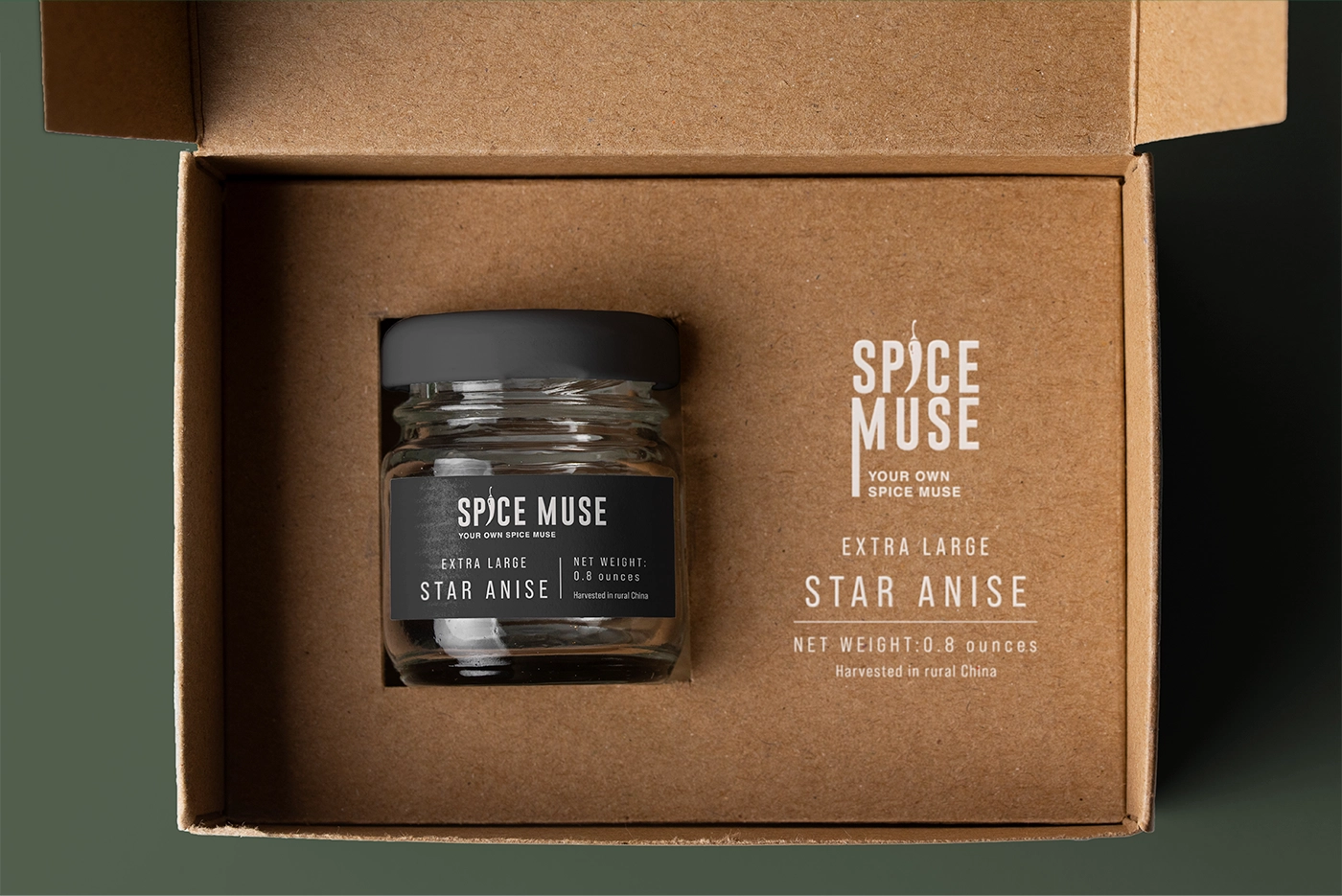
A packaged food sold in the US needs six things on its label under FDA rules: a statement of identity (the name of the food), the net quantity of contents, an ingredient list, an allergen declaration for the nine major food allergens, a Nutrition Facts panel unless the product qualifies […]
read more → 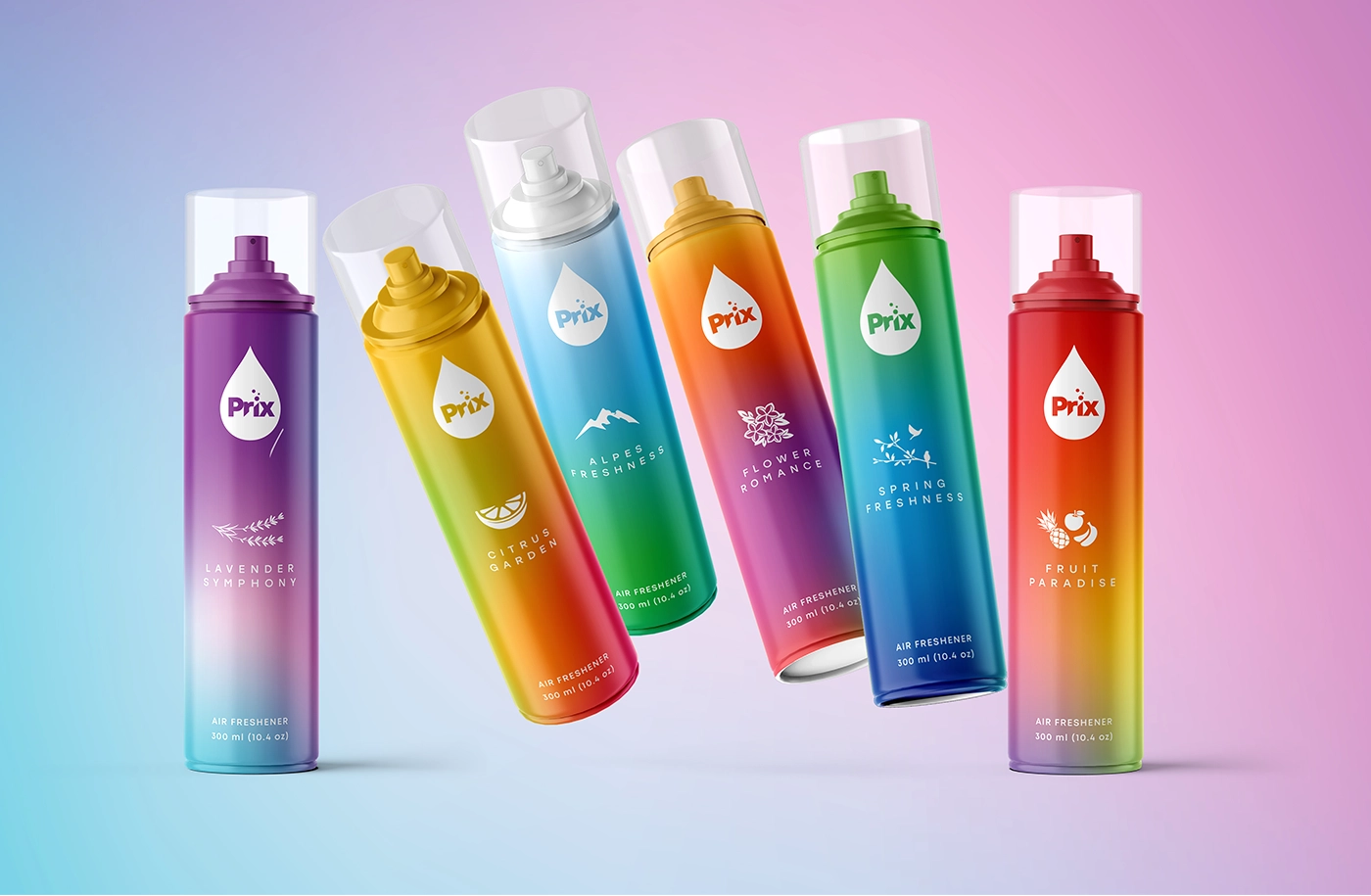
In January 2009, Tropicana replaced the carton of its best-known juice, Pure Premium. The orange with a straw stuck in it, the picture shoppers had used to find the brand for years, gave way to a close-up of a glass of juice on a mostly white carton, a bold “100% […]
read more → 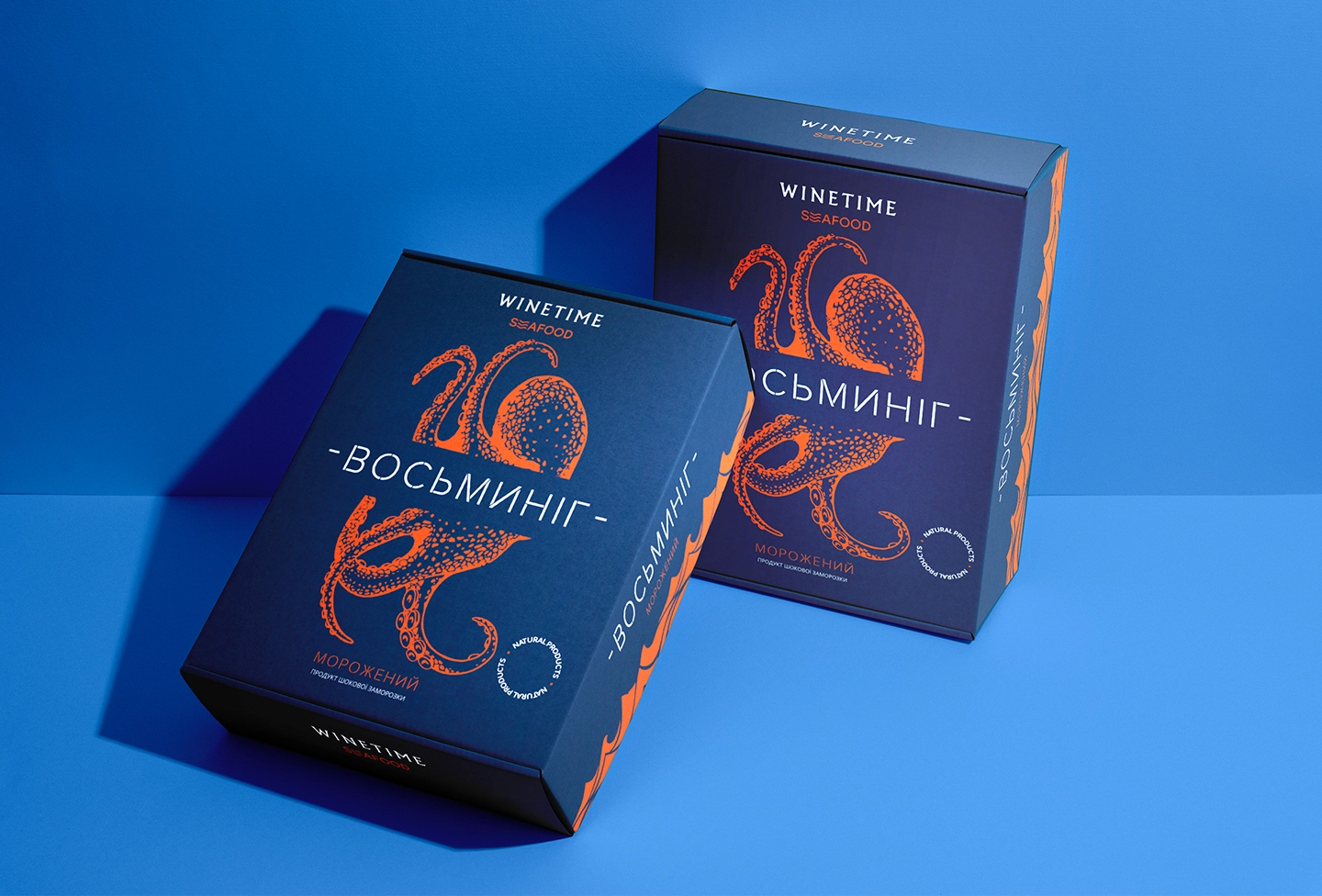
Frozen food packaging has to sell through a glass door. Shoppers see it through glare and sometimes condensation, under cold lighting, often from several feet away, and many decide before they open the door. So frozen packaging needs a bolder front than most grocery products: a large, appetizing photo of […]
read more → 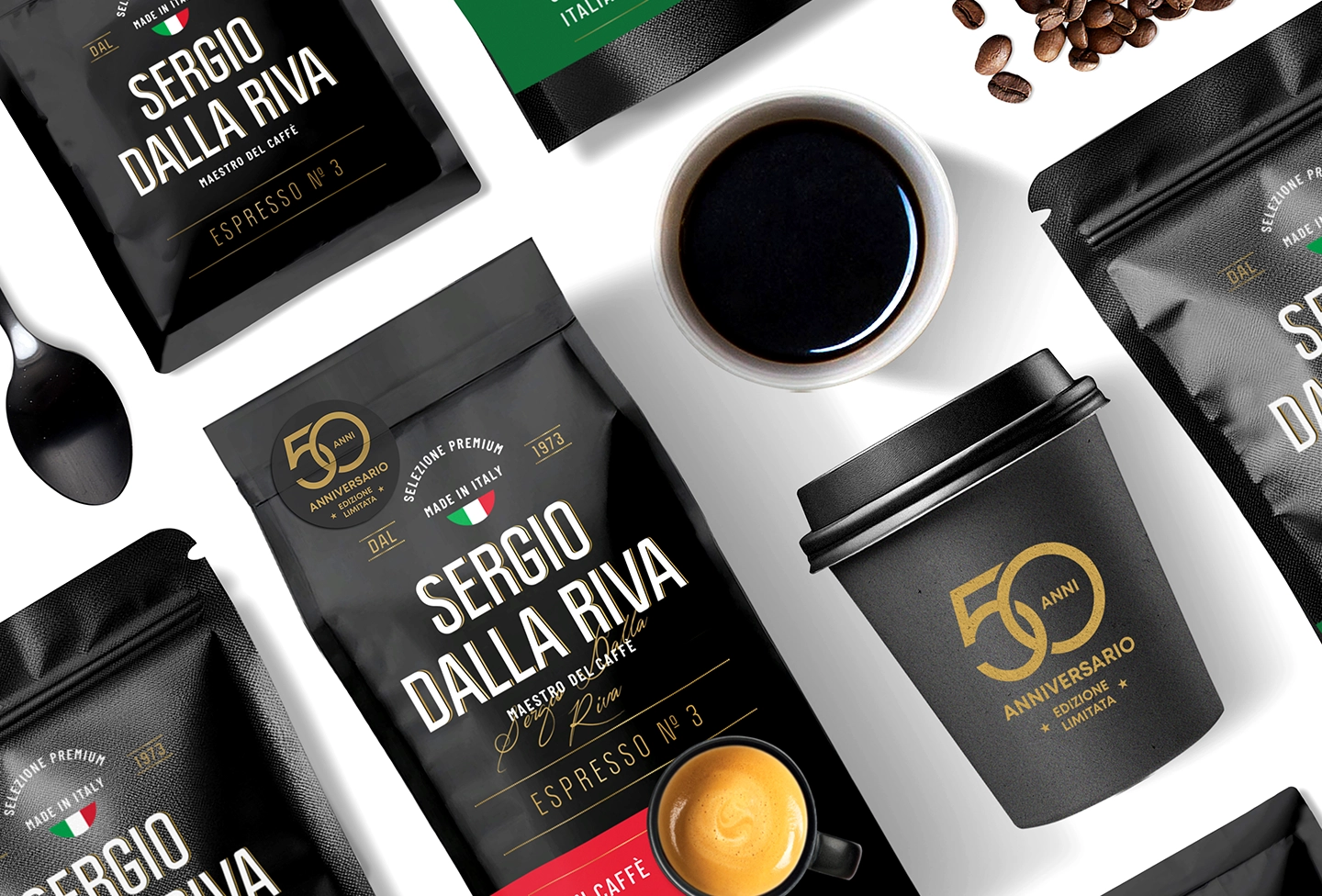
Good coffee packaging keeps the coffee fresh and tells a shopper in a few seconds what’s inside and why it’s worth the price. For most roasters that means a valved bag (a stand-up pouch, a flat-bottom bag, or a side-gusset bag). The front panel carries the brand, the coffee’s name […]
read more → 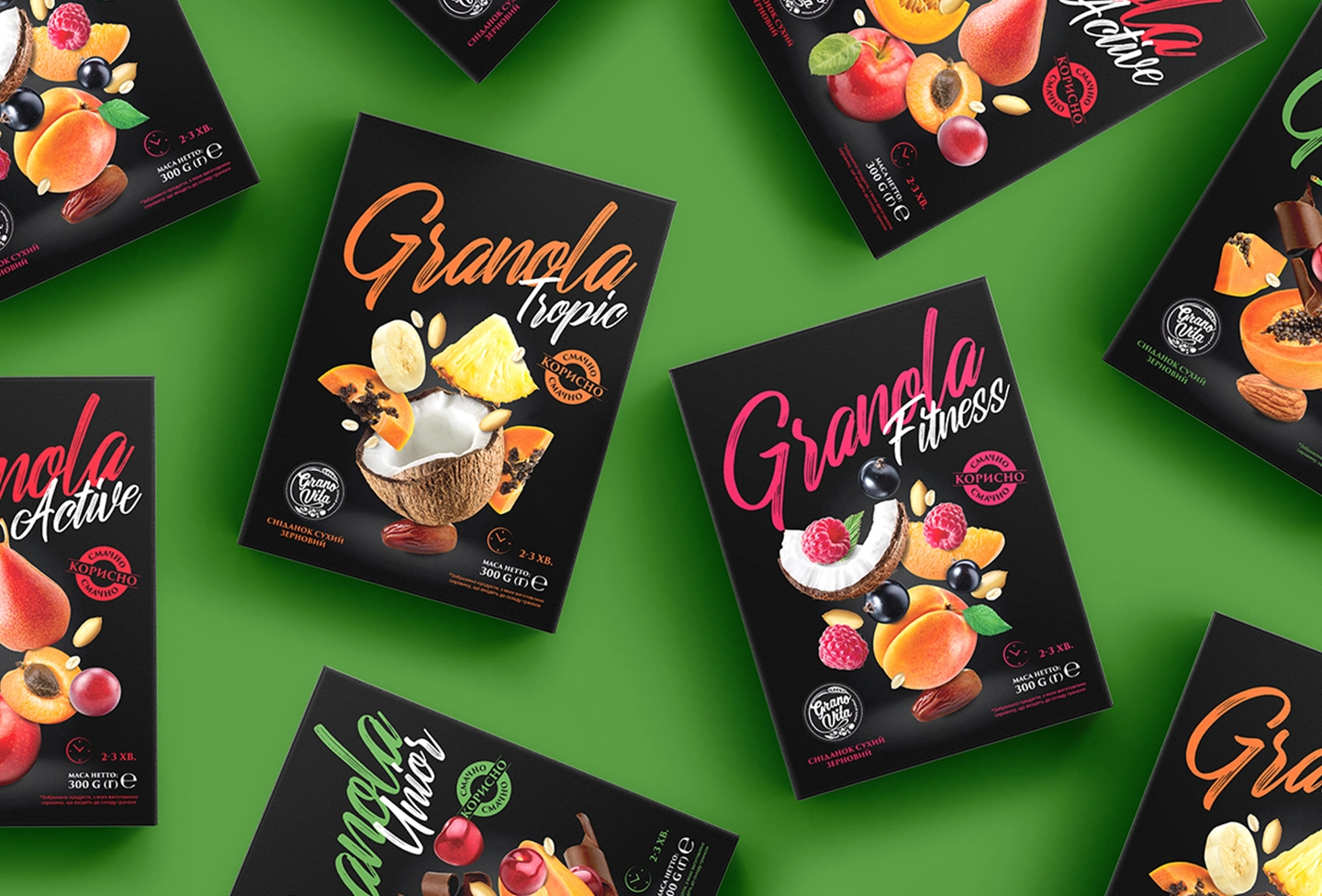
A packaging design brief is a short document, usually one to three pages, that tells a designer what you’re making, who it’s for, what has to appear on the pack, and how you will judge the result. A good brief answers ten questions: what the project is, what the product […]
read more → 
A rebrand for a consumer packaged goods brand comes down to nine stages, after one decision up front: whether you need a refresh or a full rebrand. Then audit what customers already recognize, set the budget and the team, define the positioning, write the brief, design the identity and the […]
read more → 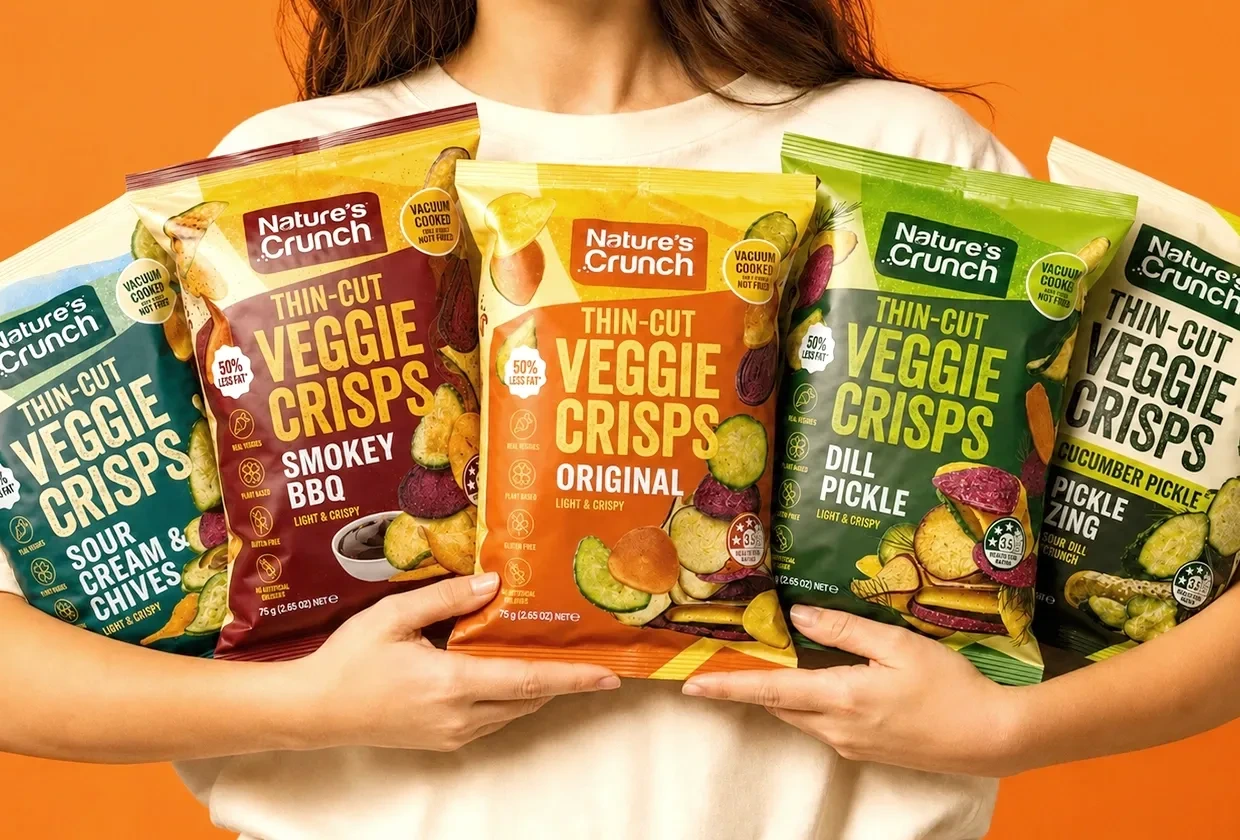
Packaging design for a single product typically costs anywhere from a few hundred dollars to well over $50,000. Where you land depends mostly on who you hire. A freelancer usually charges between $500 and $2,000 per design. A specialist packaging studio typically charges $2,500 to $8,000, depending on how many […]
read more → 