How Much Does Packaging Design Cost in 2026?
Packaging design for a single product typically costs anywhere from a few hundred dollars to well over $50,000. Where you land depends mostly on who you hire. A freelancer usually charges between $500 and $2,000 per design. A specialist packaging studio typically charges $2,500 to $8,000, depending on how many SKUs you have and how much brand work is involved. Large branding agencies start around $20,000 and regularly go into six figures for full product lines.
The second biggest factor is scope. One label for one product is a small job. A new brand launching six flavors, each with its own dieline, nutrition panel, and retailer requirements, is a different project entirely, even if the bag looks simple on the shelf.
At SOTDESIGN, packaging design starts at $2,500 and label design starts at $1,500. Both include three concepts and three rounds of revisions. We send a fixed estimate within 1–2 business days after we review your brief. Below is a breakdown of what drives the price, what you should get for your money, and how to set a budget that won’t fall apart halfway through your launch.
what will your packaging cost?
send us your brief and we’ll reply with a fixed estimate in 1–2 business days
get quotePackaging design cost at a glance
These ranges are based on our own projects and typical US market rates for consumer packaged goods brands. Treat them as a starting point, not a quote.
| Who you hire | Typical price for one product | Best for |
|---|---|---|
| DIY tools and templates | Under $100 | Testing an idea, farmers’ markets, very small runs |
| Freelance designer | $500–$2,000 | Simple labels, brands with an existing look |
| Specialist packaging studio | $2,500–$8,000 | New launches, product lines, retail-ready packaging |
| Large branding agency | $20,000–$100,000+ | National launches, full rebrands, complex regulated products |
The wide spread isn’t a sign that someone is overcharging. A $700 freelance label and an $80,000 agency program are simply different products.
What you should get for the money
Before you compare prices, make sure you’re comparing the same thing. A professional packaging design project usually includes:
- Discovery. A review of your product, your competitors on the shelf, and your buyer.
- Concepts. Several distinct design directions, not three color versions of one idea. We present three.
- Revisions. A set number of rounds to refine the chosen direction. Ask how many are included and what extra rounds cost.
- A system for multiple SKUs. Rules for color, type, and layout so every flavor or size looks like part of one family.
- Regulatory layout. Placing the nutrition panel, ingredients, net weight, barcode, and required statements so they’re legible and compliant with the rules you’ve confirmed. The designer lays out the copy. Approving that copy is on you or your regulatory advisor.
- Production files. Artwork built on your printer’s dieline, with correct color setup (CMYK and spot colors), bleed, and finish layers for foil, embossing, or spot varnish.
- Mockups. Realistic 3D previews so you can judge the design on the actual pack before anything is printed.
What’s usually not included, and catches first-time founders by surprise:
- Printing and manufacturing. Many studios, including ours, are design-only. Your printer or co-packer quotes printing separately.
- Structural design. If you need a custom box shape or a new bottle, that’s packaging engineering, often priced separately or handled by the manufacturer.
- Photography and illustration. Product photos and custom illustration can be add-ons.
- Copywriting and regulatory review. Most designers place the text you provide. They don’t write your health claims or check them against FDA rules.
If a quote looks unusually low, check which of these are missing.
What drives the price up (or down)
1. Number of SKUs
This is the single biggest multiplier. Your first design takes the most work because it sets the system. Each additional flavor, size, or variant then needs its own layout, colors, copy, and production file. Some studios price per SKU. Others price the master design and add a smaller fee for each variant. Either way, a six-SKU launch will never cost the same as a single product.
2. New brand or existing brand
If you already have a logo, colors, and a style you’re happy with, the designer is mostly executing. If you’re launching from scratch, someone has to create the brand identity first. That’s a separate piece of work, and it can add as much effort as the packaging itself.
3. Structure
Designing graphics for a stock pouch or a standard folding carton is cheaper than designing for a custom shape. Custom structures need dielines engineered, prototypes made, and more back-and-forth with the manufacturer.
4. Finishes and print complexity
Foil, embossing, spot UV, metallic inks, and windows all look great. They also add prepress work and coordination with your printer. They raise printing costs even more than design costs, so decide early which ones are worth it.
5. Regulated content
Food, supplements, cosmetics, and alcohol all carry mandatory information that has to fit, stay legible, and follow strict formats. A nutrition panel in two languages on a small pack takes real layout time. Products sold in the US and Canada, or in more than one language, cost more to design.
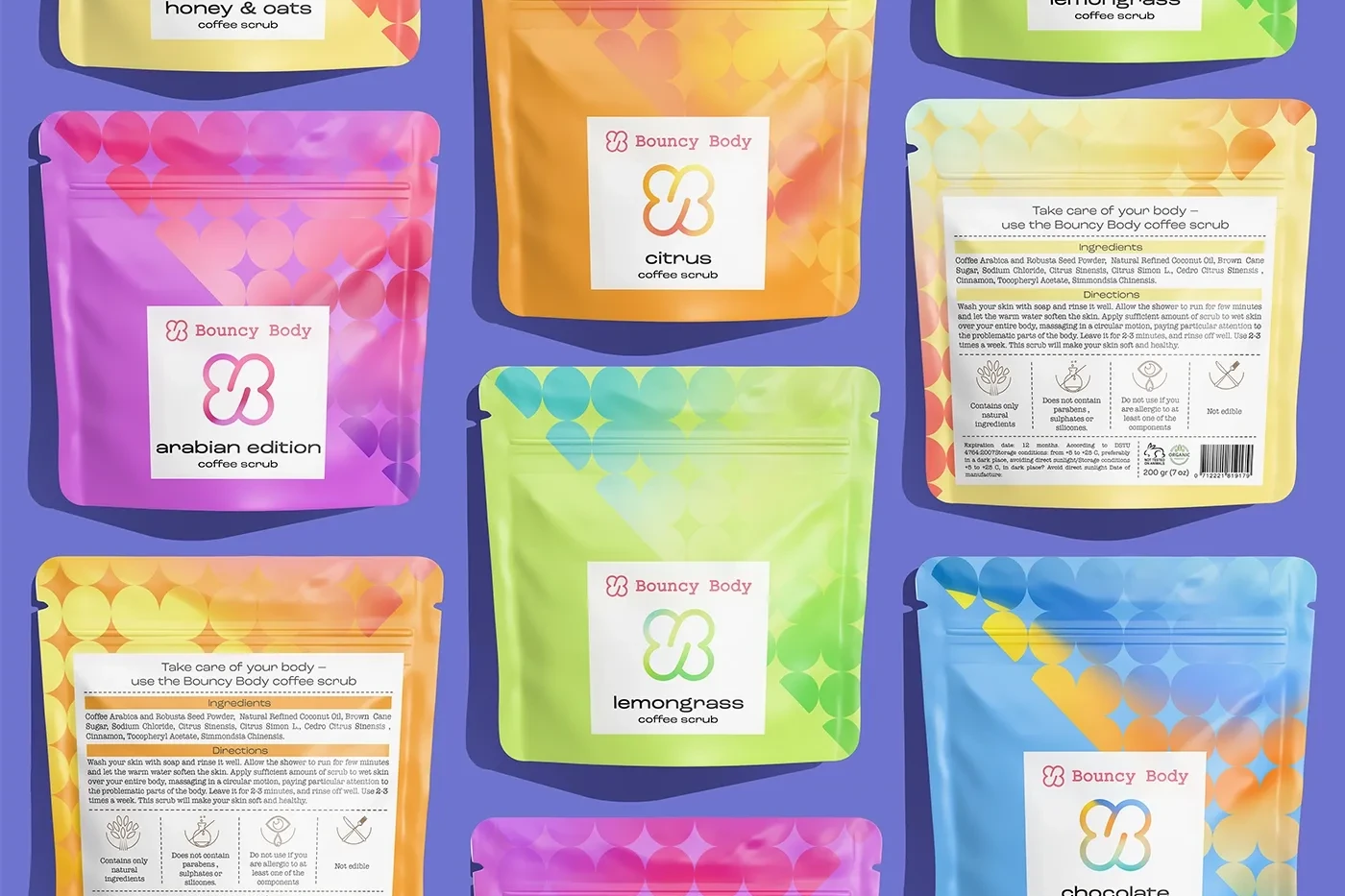
6. Rounds of revisions and decision-makers
Three rounds of revisions with one decision-maker is a smooth project. Seven rounds with a founder, two investors, and a retail buyer all weighing in is not. Clear feedback from one person is one of the easiest ways to keep cost under control.
7. Timeline
Rush jobs usually cost more because the studio has to move other work. Most packaging projects take two to three weeks from kickoff to final files. If your printer slot is next week, expect to pay for it.
How packaging designers price their work
You’ll run into four common pricing models:
- Fixed project fee. One price for an agreed scope, such as a set number of concepts, revisions, and SKUs. This is the easiest model to budget for, and it’s how we work.
- Hourly. You pay for time spent. It’s flexible when the scope is unclear, but the final number is hard to predict. US agency rates commonly run $100–$200 per hour.
- Packages or tiers. Bundles like “label only,” “label plus box,” or “full product line.” Good value if your project fits the package.
- Retainer. A monthly fee for ongoing work. It makes sense for brands that launch new SKUs every quarter.
Whatever the model, ask for the scope in writing: how many concepts, how many revision rounds, which files you get, and what an extra SKU or an extra round costs.
Freelancer, studio, or agency?
There’s no single right answer. It depends on your stage and your risk.
A freelancer is a good fit when you have an established look and need a new label in that style, or when you’re testing a product at local markets before investing more. The risk is uneven experience with print production. A beautiful design that prints muddy, or that doesn’t fit the dieline, will cost you more than you saved.
A specialist packaging studio fits most growing CPG brands: first retail launches, product line expansions, and redesigns. You get packaging-specific experience, a team instead of one person, and production-ready files, at a price small and mid-sized brands can manage.
A large agency makes sense for national launches with research, strategy, naming, and a full brand program behind them, or when the budget is measured in millions of units. For a brand selling its first 10,000 units, it’s usually more than you need.
Costs to budget for beyond design
Design is only one line in your packaging budget. Plan for these too:
- Printing. Usually the largest cost. It depends on quantity, material, and finishes, and the price per unit drops sharply as volume goes up.
- Plates, dies, and setup. One-time charges for traditional printing and custom shapes.
- Physical proofs and prototypes. Worth every dollar before a large run.
- Barcodes. You need GS1-registered UPC barcodes to sell through most US retailers.
- Regulatory review. A food scientist or label consultant can check your nutrition facts and claims.
- Product photography for your website, Amazon listing, and retailer portals.
How to set your packaging design budget
A simple way to think about it: your packaging design budget should make sense against what the product will earn in its first year. Packaging is a one-time cost that works on every unit you sell. If a $6,000 design helps you land one regional retail account, it has usually paid for itself before the second reorder.
Then work backward:
- Count your SKUs for launch and for the next 12 months.
- Decide what already exists. Do you have a logo and brand colors, or do those need to be created too?
- Pick your structure. Stock pouches and cartons, or custom?
- List your must-have finishes.
- Add a 15–20% buffer for extra revisions or a late retailer requirement.
Three example budgets
Real projects rarely match a price list, so here’s how the numbers tend to play out. These are ballpark ranges, not quotes.
A single jar label for an existing brand. You already have a logo and colors, and you’re adding a new hot honey to the lineup. A freelancer might do it for $500–$1,500. A specialist studio will usually start around $1,500. Add a few hundred dollars if you need the label adapted to a second jar size.
A new snack brand launching four flavors in stock pouches. No brand yet, four SKUs, a nutrition panel on each, and a retail buyer meeting in two months. At a specialist studio, a realistic budget is roughly $4,500–$7,500 for logo, packaging system, and four print-ready pouches. Going cheaper usually means cutting concepts, skipping the brand work, or doing the production files yourself.
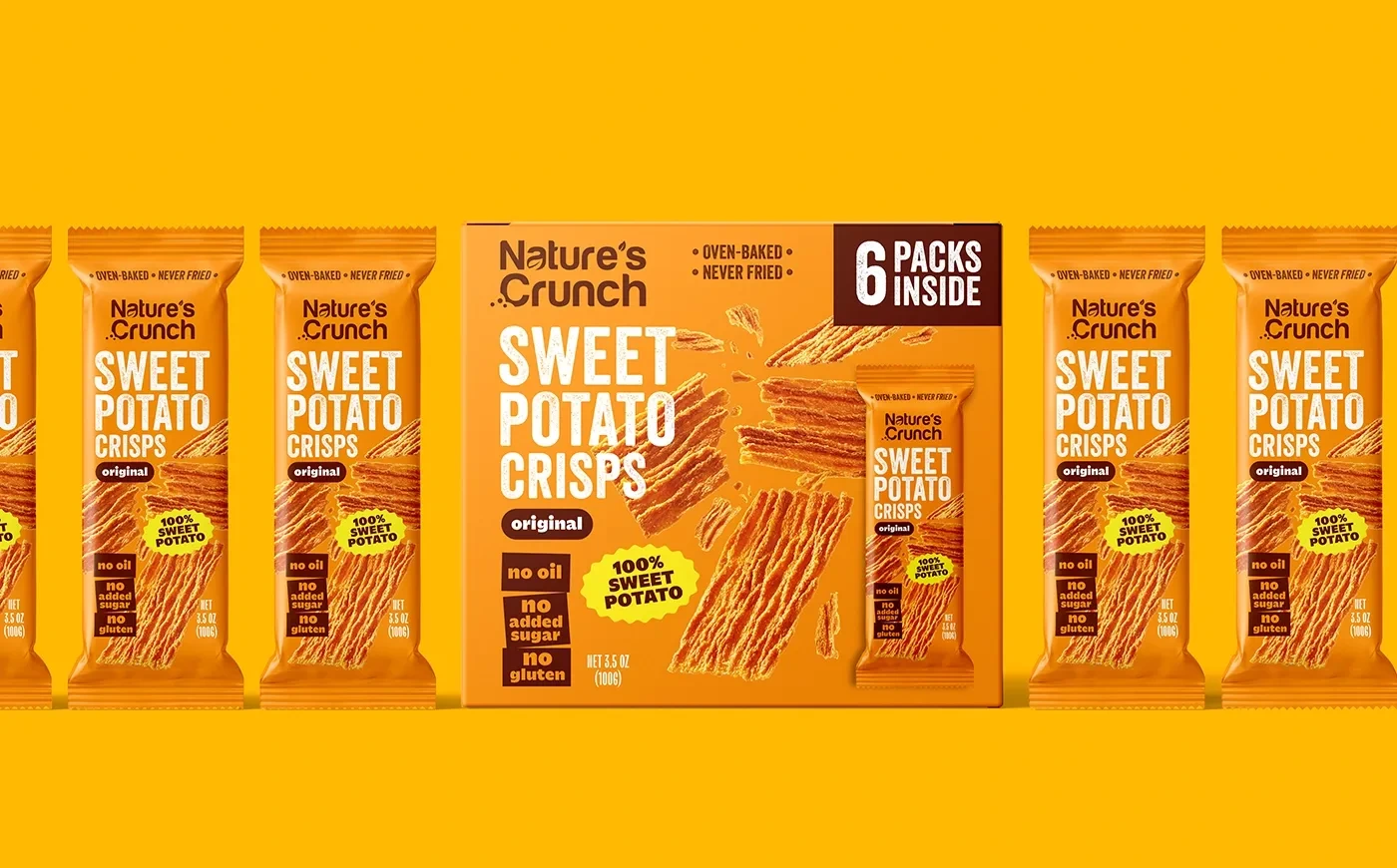
A redesign of an established 10-SKU line with custom cartons. The brand is selling, but the packaging looks dated next to newer competitors. Here you’re paying for strategy and restraint as much as design, because you can’t lose the customers who already recognize you. At a specialist studio this sits at the top of the range, often $6,000–$8,000, with any structural work on the cartons quoted on top. A large agency will typically quote $20,000 or more.
In all three cases, printing will cost more than the design over the life of the product. A strong design that prints correctly the first time is the cheapest part of the equation.
How to get an accurate quote
Vague requests get vague quotes. To get a number you can actually plan around, send the designer:
- What the product is, where it will be sold, and who buys it
- The number of SKUs and pack sizes
- Your printer’s dielines, or the type of pack (pouch, carton, jar, can)
- Existing brand assets, if you have them
- Two or three competitor packs you like or want to stand apart from
- Your target launch or print date
A short packaging design brief covering these points takes 20 minutes to write and can save weeks of back-and-forth.
What packaging design costs at SOTDESIGN
We’re a packaging and branding studio that works with US consumer goods brands, mostly in food and beverage. Our pricing is straightforward:
- Packaging design starts at $2,500. That includes three concepts, three rounds of revisions, print-ready files built on your dielines, and 3D mockups.
- Label design starts at $1,500, with the same three concepts and three revision rounds.
- Most projects land between $2,500 and $8,000. Where you fall depends on the number of SKUs, whether we’re also building the brand, and how complex the pack is.
- Product lines are quoted on the full scope. We design one system and then roll it out across each SKU.
- A fixed estimate within 1–2 business days after we review your brief. No hourly surprises.
- Design only. We don’t print or manufacture, so you can work with any printer you choose.
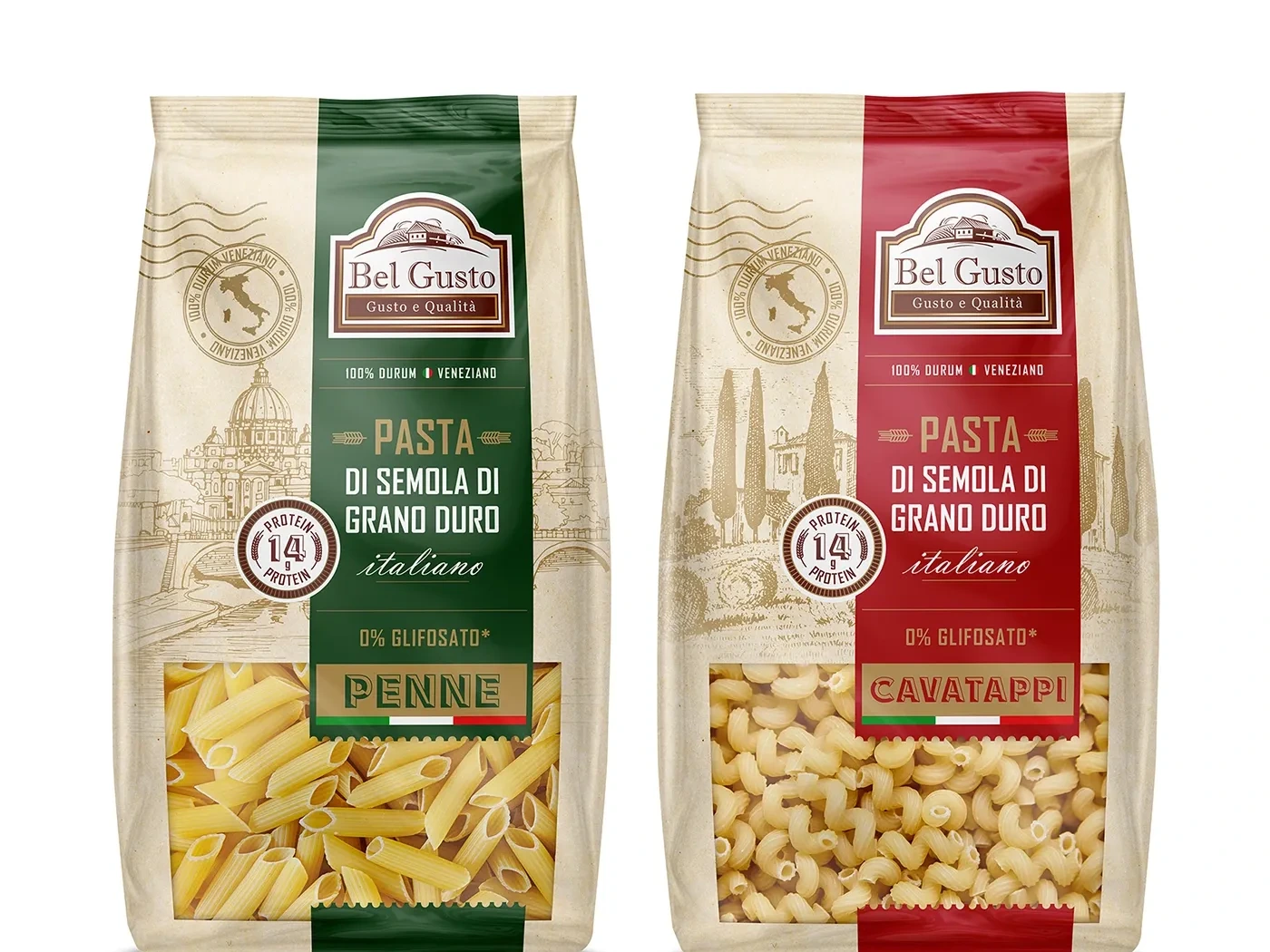
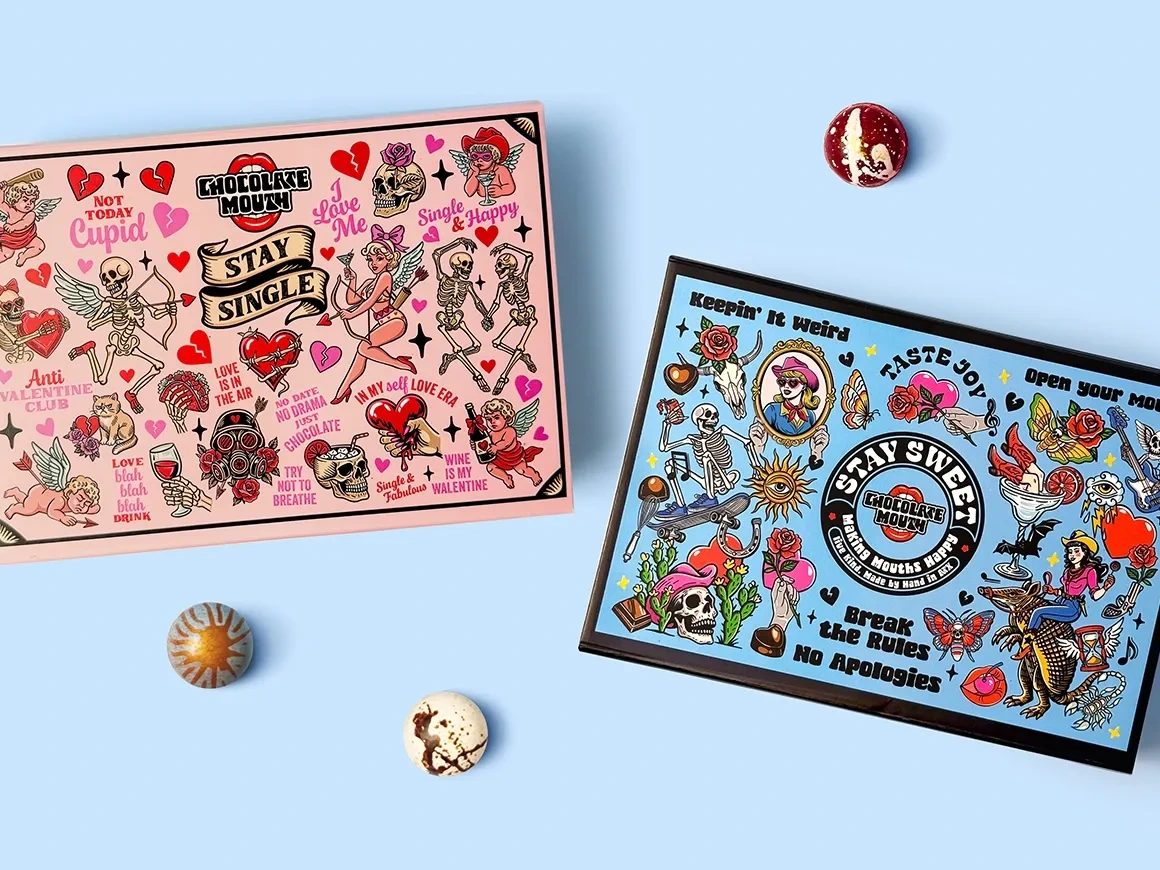
Most projects take two to three weeks from kickoff to final approval. You can see the work behind those numbers in our portfolio, from Bel Gusto pasta packaging, where the client got five container concepts to choose from, to Chocolate Mouth and Una Luna confectionery.
If you have a product in mind, tell us about it and we’ll send you a real number.
get free quote
tell us about your product: fixed estimate in 1–2 business days, design only, any printer
get quoteFAQ
01 How much does it cost to design product packaging?
Most small and mid-sized brands in the US pay between $500 and $8,000 to design packaging for one product. Freelancers sit at the lower end, specialist studios in the middle, and large agencies start around $20,000. Product lines with several SKUs cost more because each variant needs its own layout and production file.
02 Is $500 enough for packaging design?
It can be enough for a simple label from a freelancer, especially if you already have a logo and brand colors. It’s rarely enough for a new brand’s first retail packaging, which needs concepts, a multi-SKU system, regulatory layout, and print-ready files built on the printer’s dieline.
03 Does packaging design include printing?
Usually not. Most designers and studios charge for design only and hand you print-ready files. Some printers bundle design with printing, but then you’re limited to that printer. SOTDESIGN is design-only, so you can print anywhere.
04 How long does packaging design take?
Most projects take two to three weeks from kickoff to final files. Large product lines, custom structures, and many decision-makers can stretch that to several weeks. Plan the design timeline around your printer’s lead time, not the other way around.
05 How much does label design cost?
Label design is generally cheaper than full packaging because there’s less structure involved. Expect a few hundred dollars from a freelancer and $1,500 or more from a specialist studio. Label design at SOTDESIGN starts at $1,500.
06 Do designers charge per SKU?
Many do, either as a full price per SKU or as a smaller fee for each variant after the master design. Always ask how additional SKUs are priced before you sign, so your second and third flavors don’t blow up the budget.