Food Packaging Design Services: What We Create
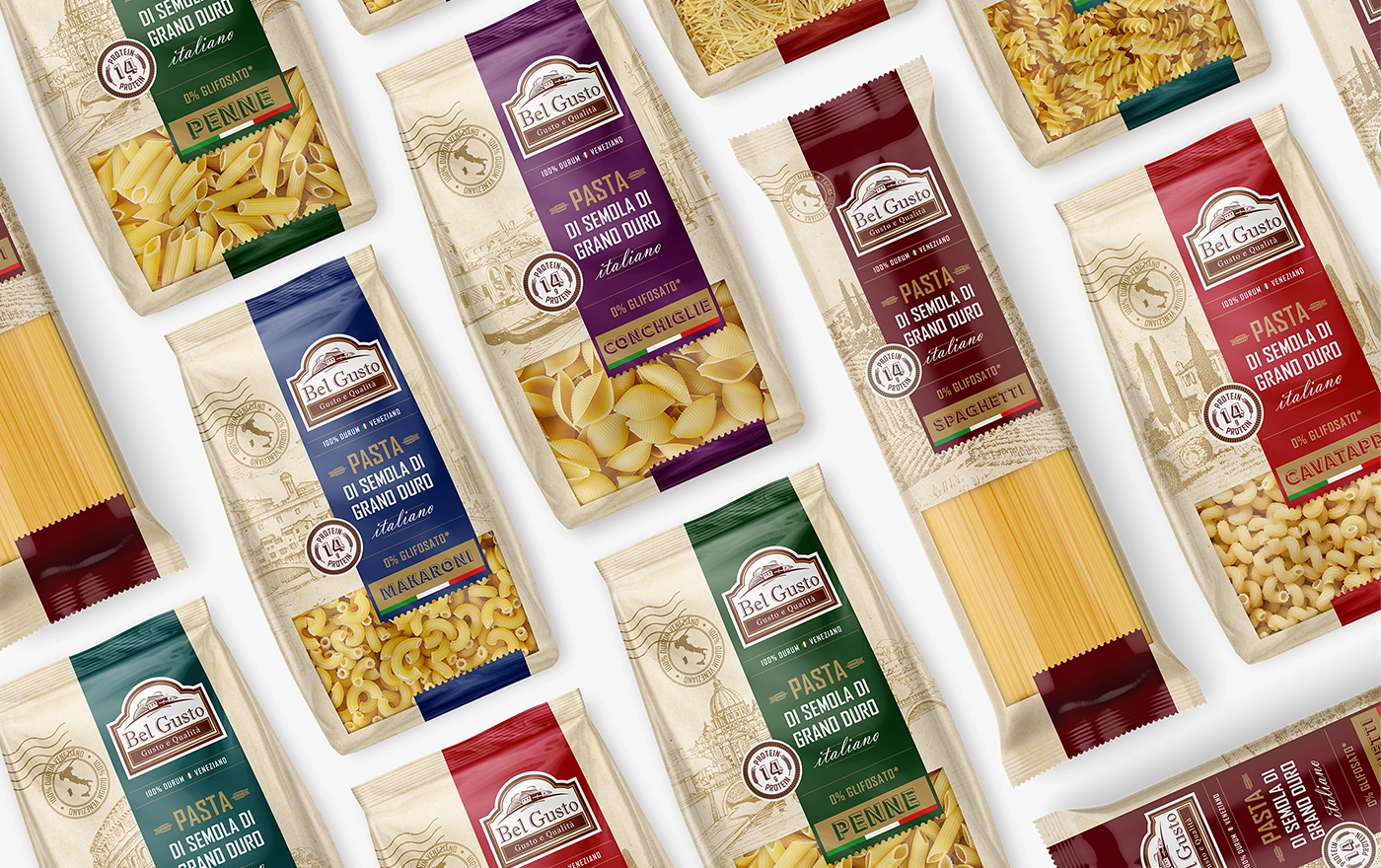
Pouches, cartons, labels and takeaway packaging: each format has its own print rules. We build files to your printer’s exact specifications, not to a generic template.

Flexible Packaging: Pouches, Bags & Sachets
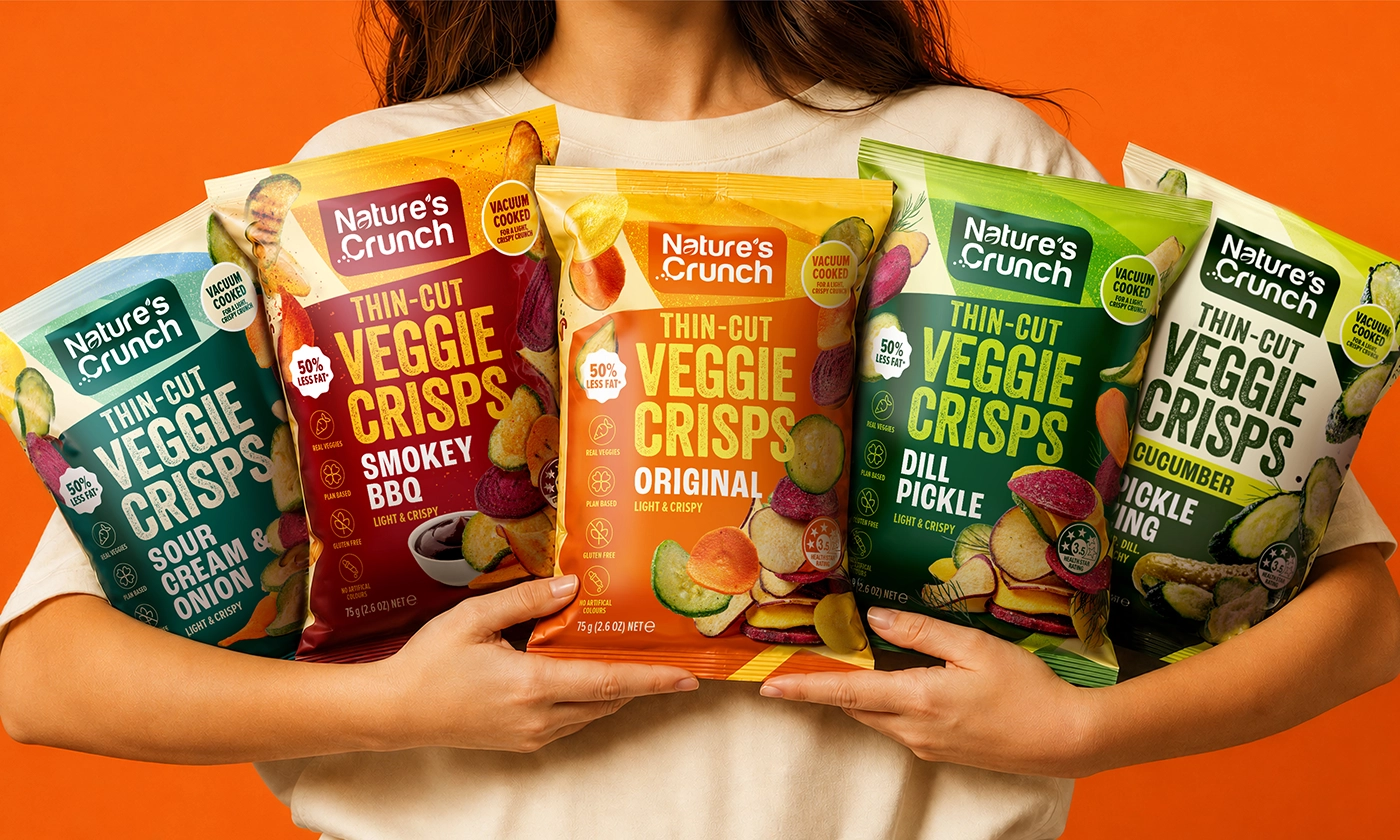
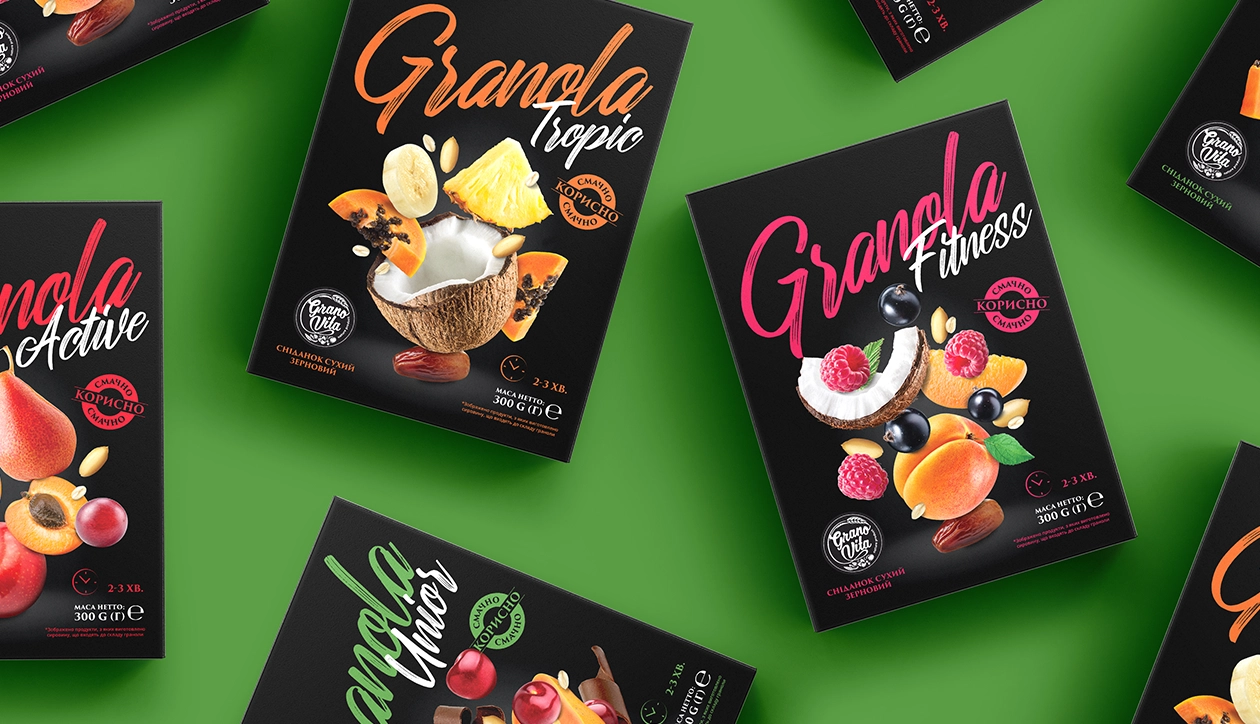
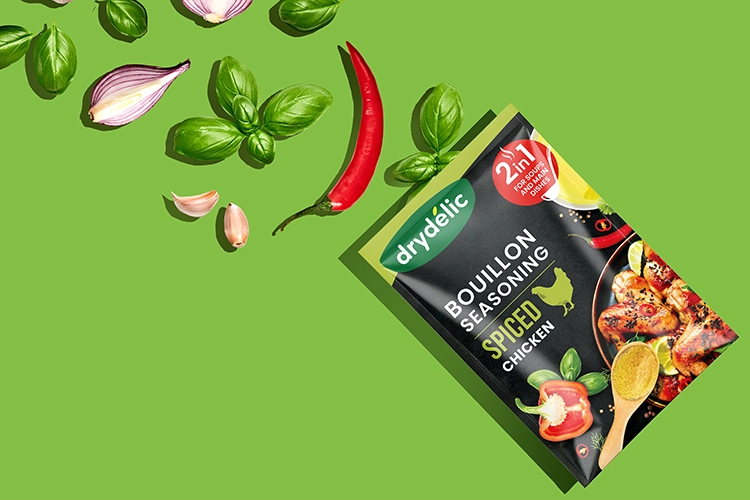
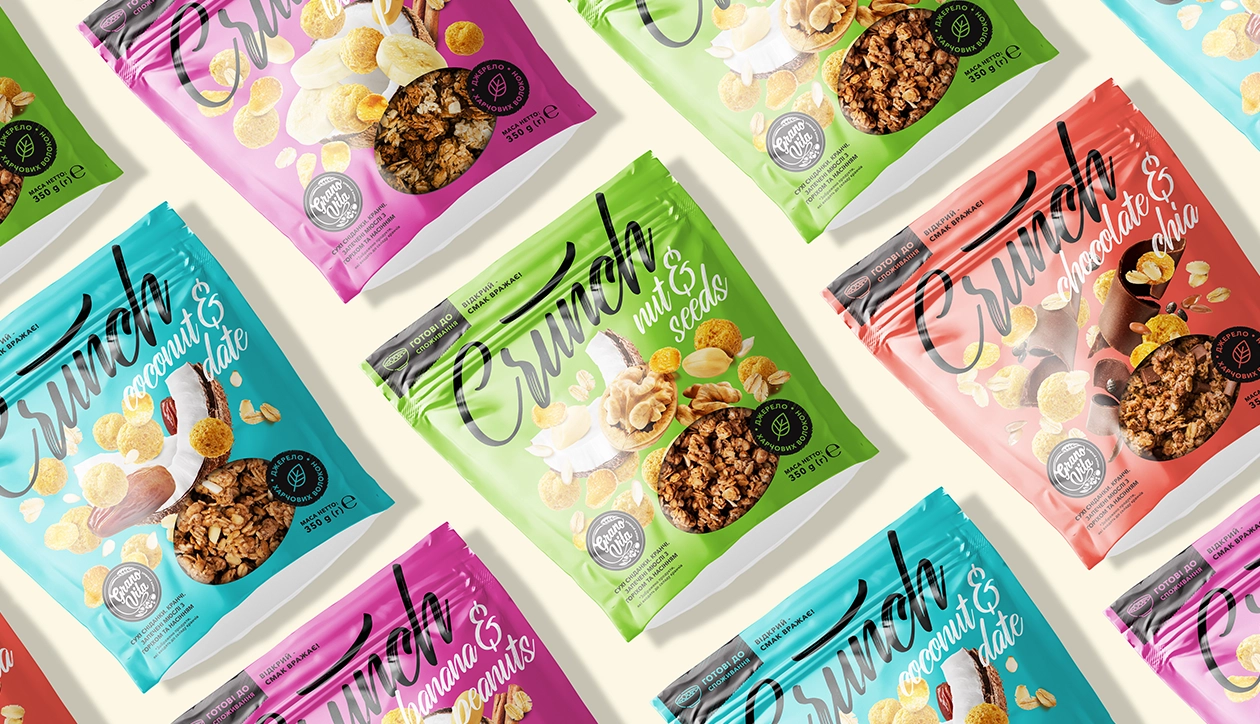
Stand-up pouches, flat-bottom bags, spouted pouches, and stick packs are the dominant format in the premium food category. They’re lightweight, shelf-stable, visually flexible, and they work for everything from granola to coffee to protein powder. The design challenge with flexible packaging is working with a surface that changes shape when filled. A design that looks balanced on a flat, empty pouch can look completely different when the bag is full and the gusset expands. We prototype with filled samples before finalizing production files.
Multi-layer flexible packaging, the kind used for products with long shelf life requirements, has strict print specifications that vary by substrate. Barrier films for high-fat products, moisture-sensitive dry goods, and oxygen-sensitive coffee behave differently on press. We build files to the printer’s exact specifications, not to a generic template.
Rigid Packaging: Boxes, Cartons & Cases
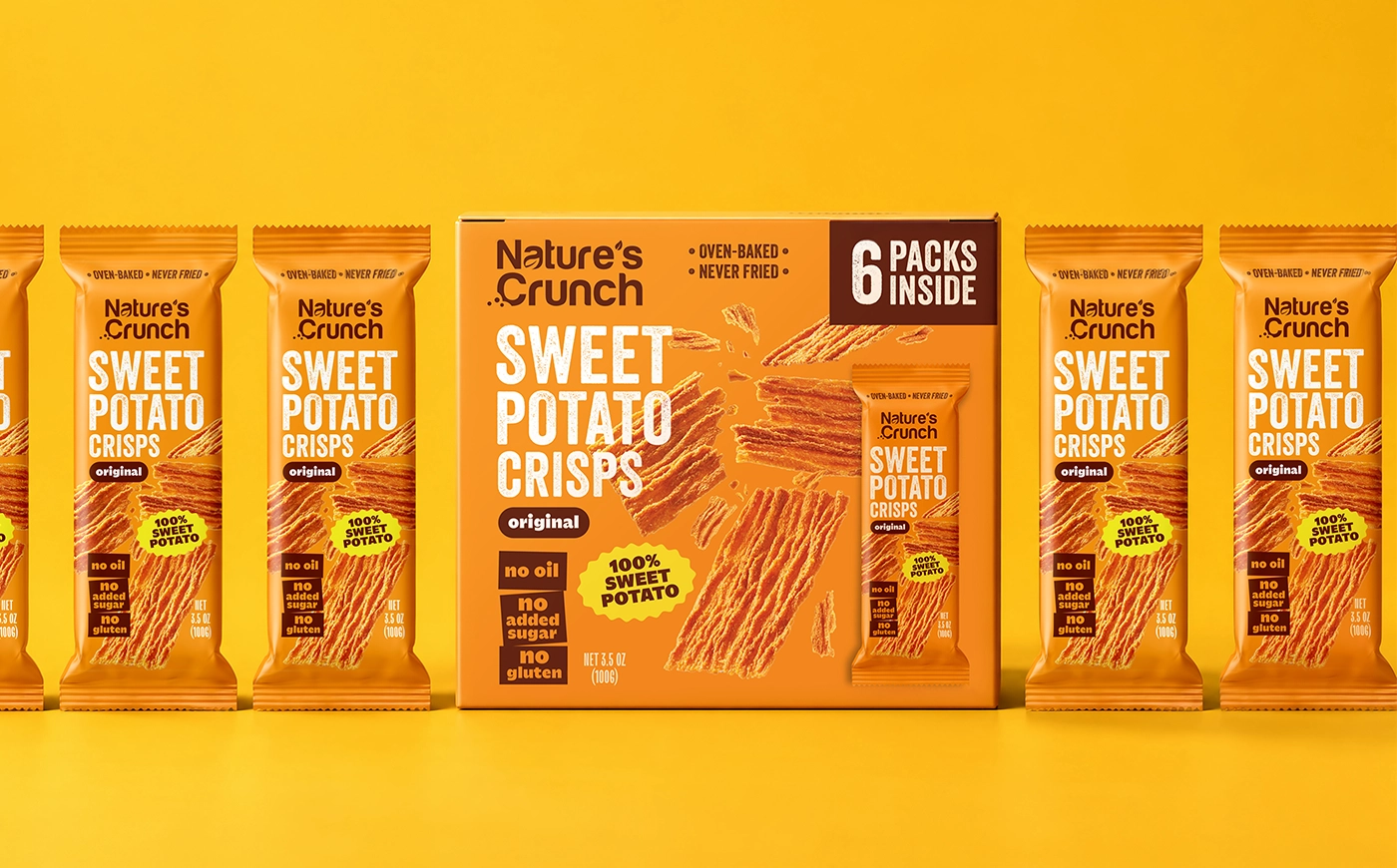
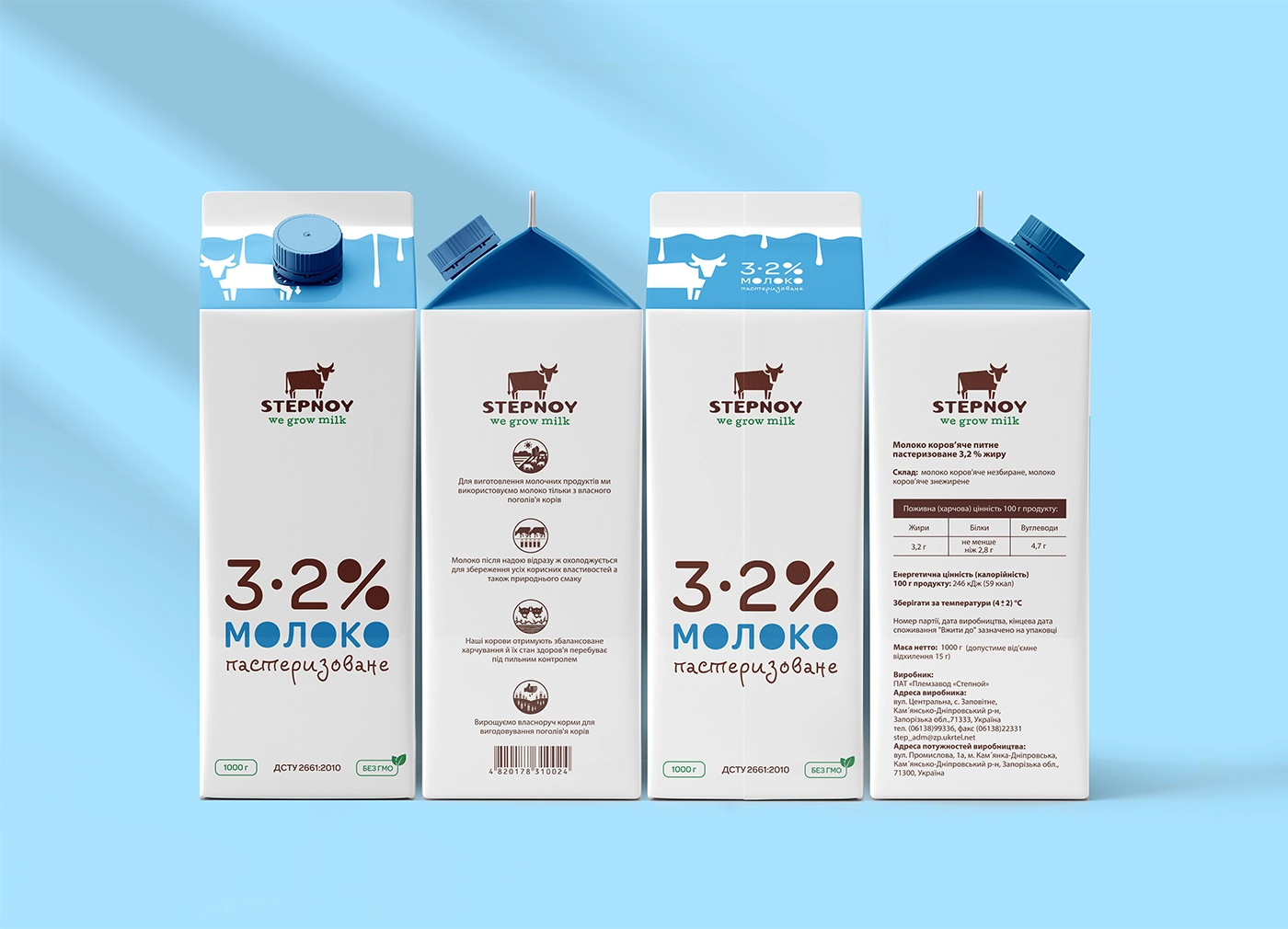
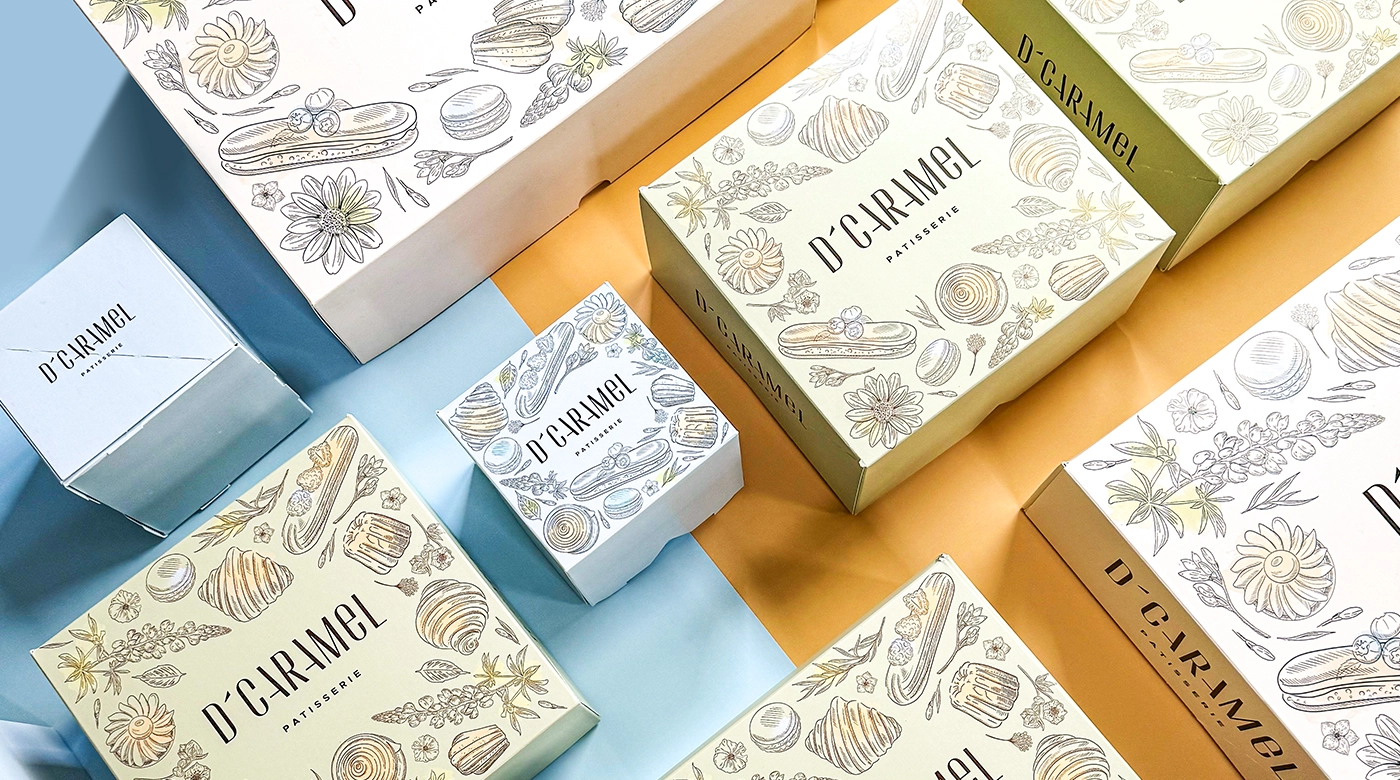
Paperboard cartons, folding boxes, and rigid cases are the original format for dry goods, frozen food, and premium gift packaging. The structural engineering of a carton (how it unfolds, where it glues, how it stacks) is a separate discipline from the surface design, and the two have to work together. We design dielines from scratch or adapt from manufacturer-provided templates. Every element of the printed surface is accounted for in the file: panels, top flaps, bottom panels and tuck tabs. We confirm fold lines and bleed areas before any design work gets approved for production.
For frozen food packaging specifically, the substrate has to maintain structural integrity at -20°C while remaining visually appealing through a layer of frost. Condensation-resistant coatings, high-saturation photography, and careful color choices are all part of the brief.

Labels: Glass Jars, Bottles & Cans
Sauce bottles, jam jars, oil bottles, canned goods: products sold in rigid containers need label design that works on a curved surface, reads correctly in a retail context, and prints accurately on pressure-sensitive label stock. A label applied to a glass jar is printed on a different material than a label applied to a metal can, and both are different from a shrink sleeve. We design to the specific label format the client’s manufacturer uses, including bleed, safe zone, and any substrate-specific color considerations.
For food products using front + back labels, we design both as part of the same system. The back label often carries the full regulatory burden (ingredient list, nutrition panel, allergen text, manufacturer address) and still needs to look considered, not crammed.

Food Service & Restaurant Packaging
Cups, bags, boxes, wrappers, and branded takeaway packaging for restaurant and food service brands operate on a different logic than retail packaging. The customer is already at point of sale. The packaging’s job is to reinforce the brand experience, not to sell the product. Restaurant branding extends the identity of the space into the customer’s hands and, usually, out the door. A paper bag or coffee cup that looks good is free advertising. One that looks generic or cheap communicates something about the food inside. We’ve designed food service packaging for quick-service restaurant concepts alongside full brand identity systems: the packaging and the brand developed simultaneously so they read as a coherent whole.